
BLOG
What Victorian Homeowners Should Know About Building Permits, Structural Requirements and Compliance for Decks and Pergolas
Decks and pergolas are among the most common outdoor additions made to residential properties across Victoria. They can improve the functionality of outdoor spaces, create shaded entertaining areas and enhance the connection between indoor and outdoor living areas.
While many homeowners focus on design, materials and finishes, building regulations and structural requirements are equally important considerations. Victorian building laws contain specific requirements that may apply depending on the size, height, location and intended use of a structure.
Understanding the basic compliance framework can help property owners make informed decisions when planning a new deck or pergola project.
When a Building Permit May Be Required
One of the most common misconceptions surrounding decks and pergolas is that all outdoor structures can be built without approval.
In Victoria, building permit requirements vary depending on the dimensions, height and design of the structure. Certain smaller structures may qualify for exemptions, while larger or more complex projects often require formal approval.
Decks elevated above ground level frequently attract additional compliance requirements due to safety considerations. Pergolas may also require approval depending on their size, roofing arrangements and relationship to other structures on the property.
Because permit requirements can vary based on individual site conditions, homeowners should verify current regulations before construction begins.
Proceeding without required approvals can create complications when selling a property or undertaking future building work.
Structural Design Matters More Than Appearance
A deck or pergola may appear visually impressive while still containing structural deficiencies.
The strength of any outdoor structure depends on the design and installation of components hidden from view. Footings, posts, beams, joists and connections all contribute to overall stability and load-bearing performance.
Victoria experiences a range of environmental conditions that influence structural design. Wind exposure, soil conditions and drainage characteristics can affect how a structure performs over time.
For elevated decks, factors such as balustrade strength, stair construction and load distribution become particularly important. Structural members must be capable of supporting expected loads while resisting movement, settlement and weather-related deterioration.
The visible surface materials are only one part of the overall structure.
Setbacks, Boundaries and Site Constraints
Property boundaries often influence what can be built and where structures may be located.
Many homeowners are surprised to learn that proximity to neighbouring properties can affect design options. Setback requirements, easements and site-specific restrictions may limit the placement of decks and pergolas.
Corner blocks, irregular lot shapes and sloping sites frequently introduce additional considerations during planning.
Drainage infrastructure can also affect construction. Building over stormwater assets or other underground services may require further investigation before work proceeds.
Each property presents its own constraints, which is why site-specific assessment remains an important part of project planning.
Safety Requirements Commonly Associated With Elevated Decks
Safety requirements become increasingly important as deck height increases.
Elevated structures generally require barriers designed to reduce fall risks. Balustrades must meet specific performance standards relating to height, strength and opening sizes.
Stairways must also comply with requirements governing tread dimensions, riser heights and handrail provisions. These details may appear minor but play a significant role in safe everyday use.
Inadequate barriers, poorly designed stairs or non-compliant balustrades are among the most common issues identified during inspections of older outdoor structures.
Property owners considering upgrades to existing decks should be aware that current standards may differ from those that applied when the original structure was constructed.
Timber Selection and Durability Considerations
Material selection can influence both compliance outcomes and long-term performance.
Different timber species offer varying levels of natural durability and resistance to weather exposure. The intended location of the structure often determines whether additional treatment or protection is necessary.
Areas exposed to high moisture levels may require greater attention to timber durability, drainage design and ventilation. Coastal environments can also accelerate the deterioration of fasteners and connectors if unsuitable materials are used.
Proper spacing between decking boards, adequate ventilation beneath structures and effective water management all contribute to extending service life while supporting structural integrity.
Durability should be considered alongside appearance when selecting materials for outdoor projects.
Why Compliance Should Be Considered Early
Building regulations are often easiest to address during the planning stage rather than after construction has commenced.
Design decisions involving height, size, roofing, access and structural layout can all influence whether approvals are required and what standards apply. Early consideration of compliance requirements helps reduce delays, redesigns and unexpected complications later in the project.
For Victorian homeowners, decks and pergolas are more than outdoor additions. They are structures that must safely withstand environmental conditions, support expected loads and comply with relevant building requirements. Understanding these factors before construction begins helps create outdoor spaces that perform reliably for years to come.
DISCOVER WHAT OUR CUSTOMERS HAVE TO SAY ABOUT US
REVIEWS
REVIEW US ON GOOGLE
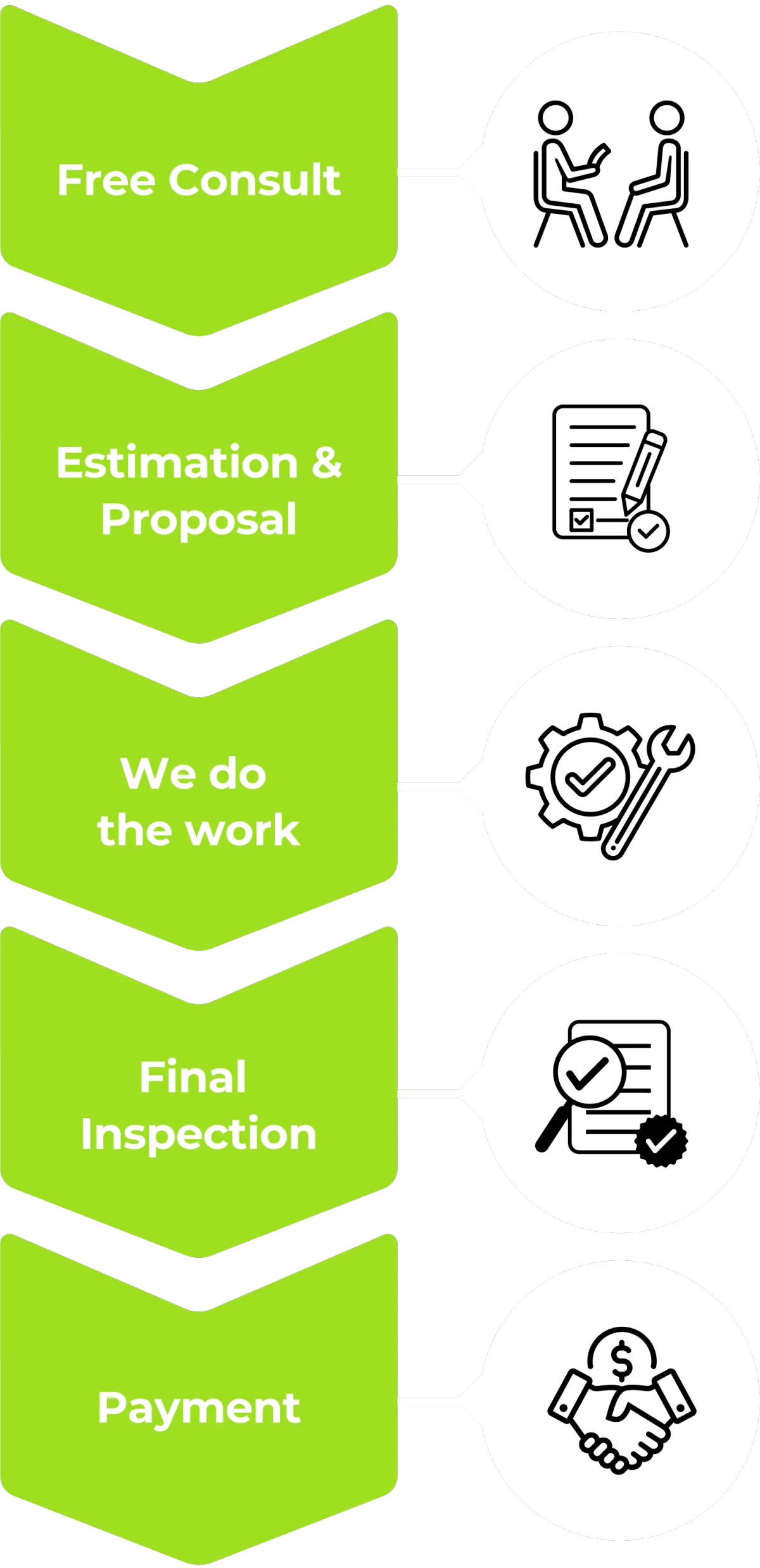
our process
Our process is simple and only contains a few simple steps

READY TO take the next step?
get a free quote TODAY!