
SERVICES
Plastering
Professional plastering services that restore walls and ceilings to a smooth, clean finish.
What Is Plastering?
Plastering involves repairing, preparing, and finishing internal walls and ceilings to create a smooth, even surface suitable for painting or decorating. It plays a key role in both new construction and renovation work, ensuring that interior surfaces are free from cracks, holes, and imperfections. Over time, plaster can become damaged due to building movement, moisture exposure, impacts, or general wear and tear. In many Melbourne homes, particularly in older Bayside suburbs, wall and ceiling surfaces often show signs of ageing such as cracking, bulging, or surface deterioration. These issues can affect both the appearance and structural integrity of interior spaces if left untreated. Plastering work may involve patching small damaged areas, repairing larger sections of wall or ceiling, or re-sheeting surfaces that have deteriorated significantly. Proper plastering ensures a clean base for painting and helps maintain the overall condition and presentation of the home.
Why Choose JG Carpentry Pty Ltd for Plastering
Over 20 Years Of Carpentry Experience
JG Carpentry Pty Ltd is led by a third generation carpenter with extensive hands-on building experience. This background supports accurate assessment and repair of plaster surfaces, ensuring work is completed with attention to structure, finish, and long term durability.
Suitable For Repairs And Renovations
Plastering work can range from small patch repairs through to full wall or ceiling restoration. The team handles a variety of project sizes, supporting homeowners during renovations, maintenance work, or targeted repairs throughout the property.
Integrated Building Services
Plastering is often required alongside carpentry, painting, flooring, and renovation work. The ability to manage multiple related services allows preparation and finishing work to be coordinated efficiently within a single project.
Focus On Clean Finishes
Smooth, even surfaces are essential for quality interior results. The team focuses on proper preparation and finishing techniques to ensure walls and ceilings are ready for painting and meet a consistent standard across the property.
What Plastering Covers
Plastering services can include patching holes and cracks, repairing damaged walls and ceilings, replacing sections of plasterboard, smoothing uneven surfaces, fixing water-damaged areas, and preparing surfaces for painting or renovation. Work may also involve addressing structural movement issues that affect interior finishes and restoring older surfaces that have deteriorated over time. Services are commonly used in both residential homes and renovation projects to maintain interior quality.
Signs You Need Plastering
Visible cracks, dents, holes, sagging ceilings, water stains, and uneven wall surfaces are common signs that plastering work may be required. Homeowners may also notice bubbling paint, flaking finishes, or sections of wall that feel soft or unstable. In older Melbourne homes, building movement and moisture exposure can contribute to ongoing plaster deterioration, making timely repairs important to prevent further damage.
DISCOVER WHAT OUR CUSTOMERS HAVE TO SAY ABOUT US
REVIEWS
REVIEW US ON GOOGLE
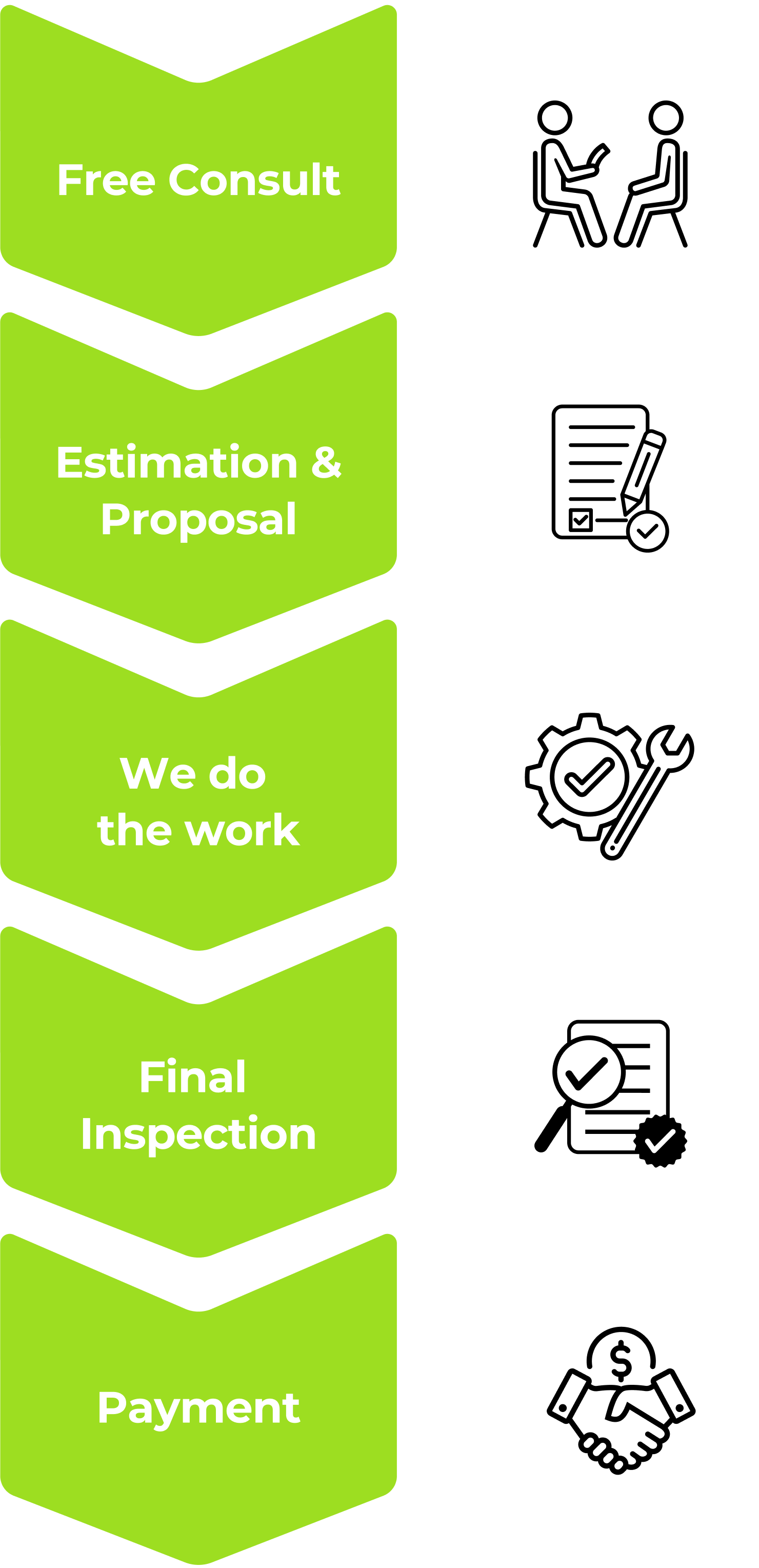
our process
Our process is simple and only contains a few simple steps

frequently asked questions
How often should a home be repainted?
The frequency of repainting depends on surface type, exposure, and environmental conditions. Exterior surfaces typically require repainting more often than interior areas due to weather exposure, while interior repainting is usually done when updating appearance or repairing wear.
What preparation is needed before painting?
Surface preparation may include cleaning, sanding, filling cracks or holes, repairing minor damage, and ensuring surfaces are dry and stable. Proper preparation helps ensure paint adheres correctly and provides a smooth, long lasting finish.
Can painting be done during a renovation?
Yes. Painting is commonly completed as part of renovation projects. It is often carried out after structural or repair work has been completed to ensure clean and consistent finishes across all updated areas.
Why is exterior painting important?
Exterior painting helps protect building materials from moisture, sunlight, and weather exposure. It also improves the appearance of the property and can help prevent long term deterioration of underlying surfaces.
What causes paint to peel or crack?
Paint can peel or crack due to moisture exposure, poor surface preparation, ageing materials, temperature changes, or movement within the building structure. Addressing these issues before repainting helps improve durability.
Trusted & Accredited Plumbers

READY TO take the next step?
get a free quote TODAY!