
BLOG
How a Third-Generation Carpentry Business Contributes to the Ongoing Maintenance and Improvement of Local Homes
Residential properties require ongoing maintenance throughout their lifespan. Materials age, environmental conditions change and building standards continue to evolve. While tools, products and construction methods have developed significantly over time, one factor remains consistent across the building industry: practical trade knowledge gained through experience.
Across Melbourne's south-eastern suburbs, many homes contain a mix of original construction, renovations and modern additions. Maintaining these properties often requires an understanding of both traditional building methods and contemporary construction practices.
Generational involvement within a trade can provide valuable insight into how homes are built, how materials perform over time and how common building issues develop.
Understanding How Different Generations of Homes Were Built
Residential construction methods have changed considerably over the decades.
Many homes throughout Moorabbin, Cheltenham, Mentone and surrounding suburbs were built during periods when different materials, framing techniques and construction standards were commonly used. Homes constructed in the mid-twentieth century often contain building elements that differ significantly from those used in modern housing.
When maintenance or renovation work is required, understanding how these systems were originally assembled can assist with identifying potential challenges.
Older homes may contain timber profiles, framing methods or detailing that are no longer widely used. Newer homes often incorporate engineered materials, updated insulation systems and modern compliance requirements.
A broad understanding of both approaches can help ensure repairs and alterations integrate effectively with existing structures.
Recognising Common Problems Before They Escalate
Experience gained across multiple decades of residential construction often contributes to improved problem identification.
Many building issues develop gradually. Water intrusion, timber movement, settlement and weather-related deterioration frequently begin as small defects before becoming more visible.
The ability to recognise early warning signs can assist in identifying the underlying cause rather than simply addressing the visible symptom.
For example, a sticking door may be related to moisture movement, structural settlement or changes within adjacent framing. Similarly, cracking around architraves or skirting boards may indicate movement occurring elsewhere within the structure.
Understanding how these issues typically develop helps support more accurate assessment of the problem.
Adapting Traditional Skills to Modern Building Standards
Building regulations and construction practices continue to evolve.
While traditional carpentry skills remain highly relevant, modern projects must also satisfy contemporary requirements relating to structural performance, safety and durability.
Many renovation and maintenance projects involve integrating new materials with older structures. This requires an understanding of how different products interact and how modern standards apply to existing buildings.
For example, moisture management, ventilation requirements and structural bracing expectations have changed significantly over time. Successful outcomes often depend on balancing traditional craftsmanship with current construction knowledge.
The ability to adapt established trade skills to modern building expectations remains an important part of residential carpentry work.
Why Ongoing Maintenance Preserves Property Performance
Most homes benefit from routine maintenance rather than waiting for visible failures to occur.
External timber components, doors, windows, flooring and interior finishes are all subject to wear over time. Environmental conditions such as rainfall, temperature changes and UV exposure gradually affect building materials.
Regular maintenance can help identify developing issues before they require larger-scale repairs. It also allows property owners to preserve the performance and appearance of existing building elements for longer periods.
Many common repair projects originate from deferred maintenance rather than sudden failures. Addressing minor issues early often reduces the likelihood of more extensive deterioration occurring elsewhere within the property.
The Importance of Practical Problem-Solving in Residential Carpentry
Every property presents a unique combination of construction methods, previous alterations and site conditions.
Two homes located on the same street may require completely different approaches when addressing maintenance or renovation work. Factors such as building age, orientation, drainage conditions and past modifications can all influence how problems are assessed and resolved.
Practical problem-solving remains one of the most valuable aspects of residential carpentry. It involves evaluating existing conditions, understanding how different building elements interact and selecting appropriate solutions based on the specific circumstances of the property.
This approach becomes particularly important when working on older homes where original construction details may differ from current practices.
Supporting the Long-Term Function of Local Homes
The role of carpentry extends beyond constructing new features or replacing damaged materials. It also involves preserving the functionality, safety and longevity of existing homes.
Properties throughout Melbourne's bayside and south-eastern suburbs face ongoing exposure to changing weather conditions, moisture, movement and general wear. Maintaining these homes requires a combination of technical knowledge, practical experience and an understanding of how buildings perform over time.
Generational trade knowledge contributes to this process by combining lessons learned from past construction methods with the requirements of modern building practices. For homeowners, this depth of understanding can play an important role in maintaining and improving residential properties for future years.

DISCOVER WHAT OUR CUSTOMERS HAVE TO SAY ABOUT US
REVIEWS
REVIEW US ON GOOGLE
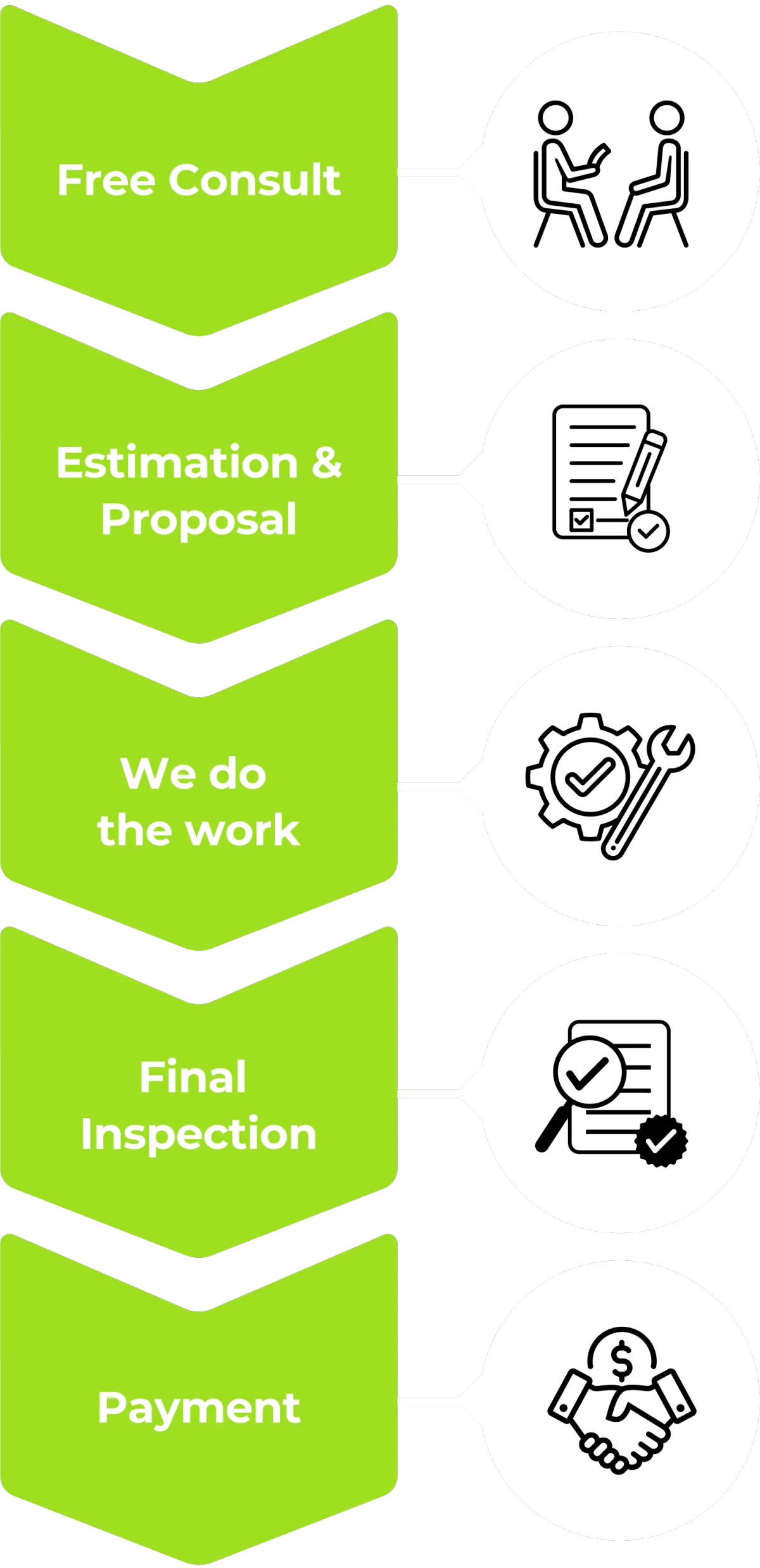
our process
Our process is simple and only contains a few simple steps

READY TO take the next step?
get a free quote TODAY!